Tel : 0086-592-5097292
Whatsapp : +8618059296519
E-mel : sales@ecowaysteel.com


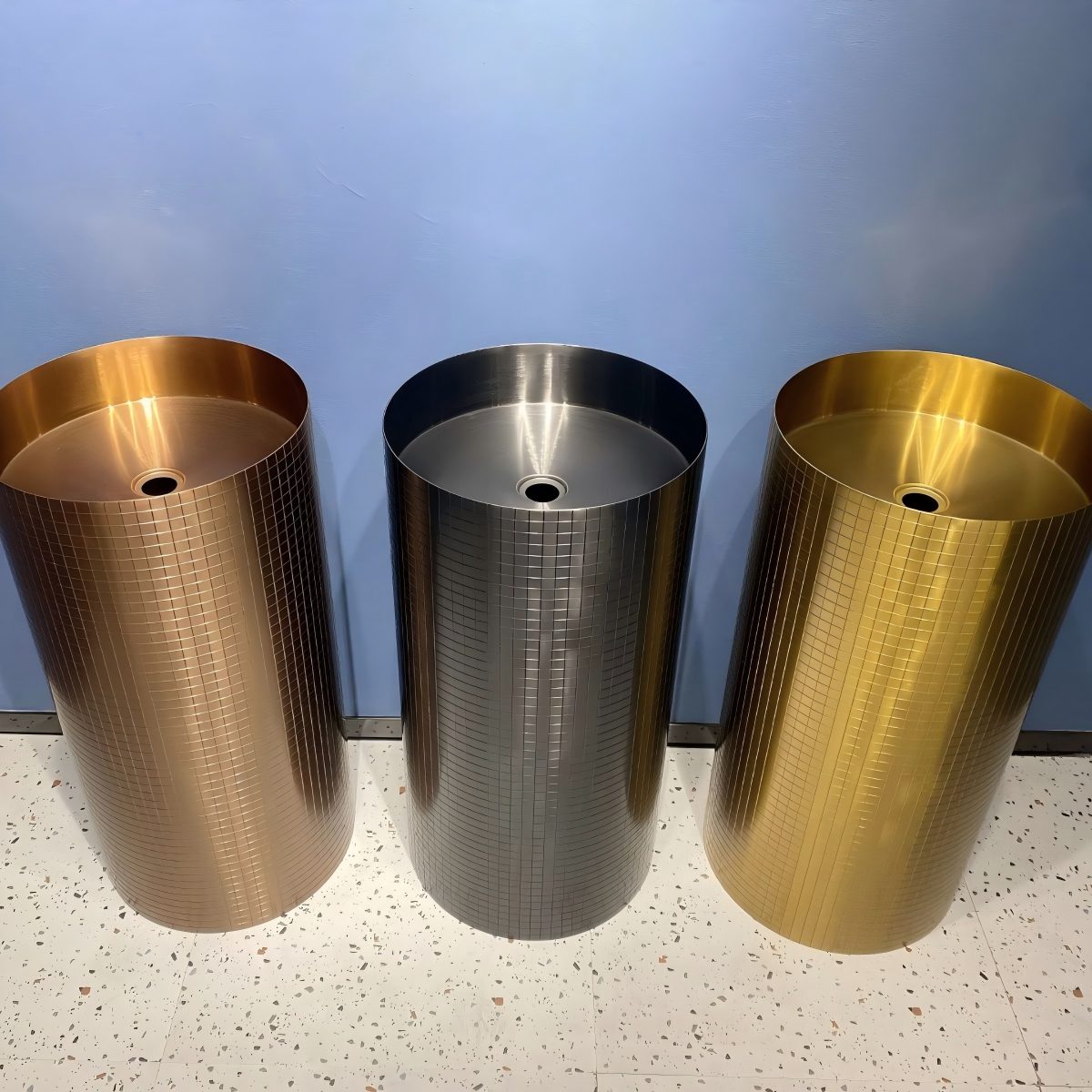
Among the many sanitary ware products, stainless steel basins are transitioning from exclusive fixtures in industrial kitchens to mainstream players in high-end residences, boutique hotels, and commercial spaces, thanks to their exceptional durability, hygiene performance, and modern aesthetic qualities.
According to industry research data, the global stainless steel sanitary ware market has maintained a compound annual growth rate of 8%-10% over the past five years, with particularly strong performance in North America, Europe, and Australia. Behind this growth lies a profound shift in consumer priorities regarding sanitary ware products:
Durability First: Compared to the vulnerability of ceramic basins to chipping and breakage, the high impact resistance of stainless steel basins makes them the preferred choice for high-frequency usage scenarios
Enhanced Hygiene Awareness: In the post-pandemic era, consumers demand higher levels of antimicrobial performance and ease of cleaning from materials
Upgraded Design Aesthetics: The popularity of modern design styles such as minimalism and industrial chic has brought the cool, refined texture of stainless steel into the spotlight
In terms of material selection, 304 food-grade stainless steel has gradually established itself as the industry benchmark. Compared to lower-grade stainless steels such as 201, 304 offers significant advantages in corrosion resistance, oxidation resistance, and safety:
Higher Nickel Content: With nickel content reaching over 8%, the material maintains excellent rust resistance even in humid environments
Superior Acid and Alkali Resistance: The surface remains intact even after prolonged contact with cleaning agents and disinfectants
Food-Grade Safety Certification: Compliant with international food safety standards such as FDA and LFGB, meeting the stringent requirements of European and American markets
Meanwhile, the application of antimicrobial stainless steel technology is emerging as a new differentiator. By incorporating antimicrobial metal elements such as copper and silver into the material, or applying antimicrobial coatings to the surface, stainless steel basins can effectively inhibit the growth of common bacteria such as E. coli and Staphylococcus aureus. This feature holds significant value in medical facilities, educational institutions, and spaces designed for families with young children.
The manufacturing processes for stainless steel basins have made significant advances in recent years, driving products from "utilitarian tools" toward "expressions of quality":
Traditional welding processes presented issues such as seam leakage and aesthetic shortcomings. Today, the integrated molding stretching process has become standard for high-end products. Formed from a single sheet of steel through direct stamping, it not only eliminates leakage risks but also presents a seamless, flowing aesthetic.
By applying polymer sound-dampening pads to the underside of the basin, noise from water impact is effectively reduced, creating a quiet and comfortable bathroom experience for users. This detail-oriented design is particularly valued in high-end residential and hotel projects.
The application boundaries of stainless steel basins are continuously expanding:
Residential Bathrooms: In modern-style homes, stainless steel basins have become designer favorites for their minimalist aesthetic
Boutique Hotels: High durability and easy cleaning properties meet the demands of high-frequency hotel usage
Commercial Spaces: Public restrooms in shopping malls, airports, and office buildings have extremely high requirements for durability and hygiene
Medical Facilities: The antimicrobial properties and non-porous surface of stainless steel make it an ideal choice for medical environments


ROOM 1901-6 Haiguang Bldg. No. 33, Shuixian Rd., Siming, Xiamen China 361001
 Rangkaian IPv6 disokong